Polycystic ovary syndrome affects roughly one in ten women, and the questions I hear most in clinic are about food. What should I eat? Will diet fix my symptoms? Do I need to cut out carbs entirely? I am Ferin Batman, a specialist dietitian and founder of DietLAB, and I work with women managing PCOS at our Harley Street clinic. This guide sets out what genuinely helps, based on how PCOS behaves in the body, without the fad rules that leave people anxious around every meal. There is no single perfect diet, but there are patterns that make a real, measurable difference to how you feel.
How does PCOS affect the way I eat and gain weight?
PCOS is closely linked with insulin resistance, which means your body has to produce more insulin to keep blood sugar steady. Higher insulin can drive hunger, encourage fat storage around the middle, and worsen symptoms such as irregular periods and acne. This is why food matters so much: what you eat directly influences your insulin response. Not everyone with PCOS carries extra weight, and lean women can have insulin resistance too. The aim is not simply weight loss. It is steadier energy, better appetite control and reducing the hormonal knock-on effects. When we build a plan around blood sugar rather than calorie restriction alone, most women find it far easier to sustain.

What does a good PCOS diet plan actually look like?
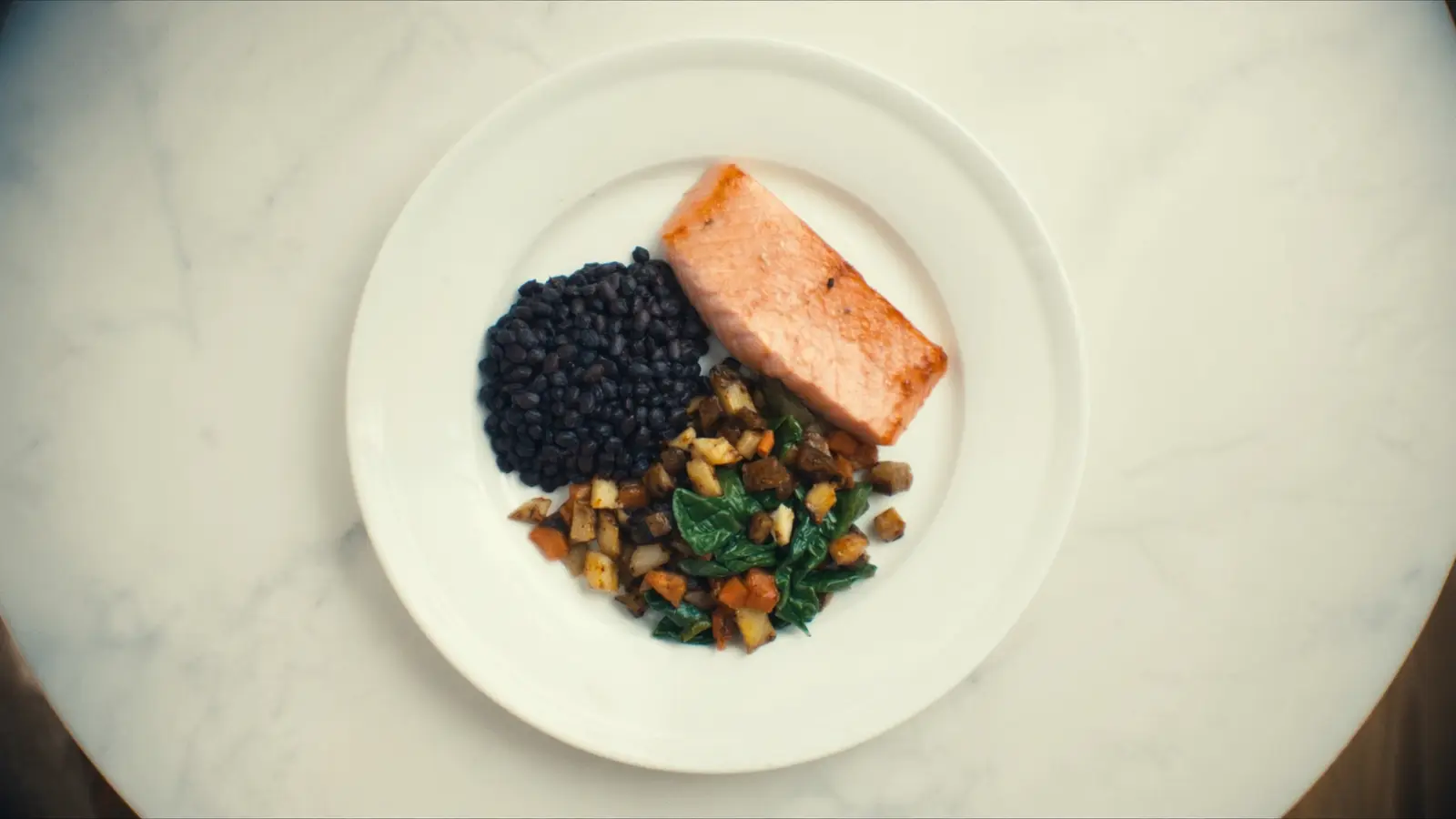
I build plans around three anchors: adequate protein, plenty of fibre, and slower-releasing carbohydrates. A typical breakfast might be Greek yoghurt with berries and seeds, or eggs with wholegrain toast, rather than a sugary cereal that spikes and crashes you by mid-morning. Each meal should combine protein, fibre and healthy fats so carbohydrate is absorbed more gently. I rarely ban food groups. Carbohydrates stay on the plate, but we favour oats, lentils, beans, wholegrains and vegetables over refined white versions. Oily fish, olive oil, nuts and plenty of colourful vegetables support the anti-inflammatory side of things. Portion awareness matters more than perfection, and I always tailor plans to what someone genuinely enjoys eating, because a plan you dislike will not last.
Should I go low-carb or keto for PCOS?
This is the question I answer most often. Very low-carbohydrate and ketogenic diets can improve insulin sensitivity in the short term, and some women feel better on them. But they are hard to maintain, can affect mood and energy, and are not suitable for everyone, particularly if you are planning pregnancy. I usually recommend a moderate, lower-glycaemic approach rather than strict keto. That means choosing quality carbohydrates and pairing them well, not eliminating them. The evidence, including guidance reflected by the NHS, points towards a balanced, sustainable eating pattern for long-term hormonal and metabolic health rather than any extreme protocol. What works is the plan you can still follow in six months.
Which foods and habits help most with PCOS symptoms?
Beyond the plate, a few habits consistently help. Eating regularly rather than skipping meals keeps blood sugar and cravings steadier. Prioritising protein at breakfast reduces afternoon snacking. Fibre from vegetables, pulses and wholegrains supports gut health and appetite. Movement matters too: even brisk walking after meals improves how your body handles glucose. Sleep and stress are frequently overlooked, yet poor sleep worsens insulin resistance and hunger hormones. I also check for common deficiencies, as vitamin D and B12 can run low in some women with PCOS. Rather than chasing supplements you may not need, get tested first. For structured, ongoing support, our London dietitian and weight management clinic offers personalised plans and regular reviews.
Can changing my diet improve fertility and other symptoms?
Many women come to me hoping to regulate their cycles or improve their chances of conceiving. Diet cannot cure PCOS, but a modest, sustained weight reduction of around 5 to 10 percent of body weight, where appropriate, can help restore more regular ovulation for some women, and may ease symptoms such as acne and excess hair growth over time. These changes are gradual, usually over months rather than weeks. If you have PCOS and are trying to conceive, work alongside your GP or specialist, as some symptoms need medical assessment and management. Nutrition is a powerful supporting tool, not a standalone treatment, and it works best as part of joined-up care.
Frequently asked questions
Do I have to give up sugar completely with PCOS?
No. Complete restriction usually backfires and is hard to sustain. I focus on reducing frequent added sugar and sugary drinks, which spike insulin the most, while allowing occasional treats within a balanced diet. Pairing any sweet food with protein or fibre softens the blood sugar response and helps you feel more in control.
Is dairy bad for PCOS?
For most women, no. Dairy is a useful source of protein and calcium, and there is no strong evidence that everyone with PCOS must avoid it. A small number find symptoms improve when they reduce it, so it can be worth a trial under guidance. I never recommend cutting food groups without a clear, individual reason.
How quickly will I see results from a PCOS diet?
Energy and appetite often improve within a few weeks. Changes to cycles, skin or weight typically take two to three months of consistent eating. PCOS responds to steady habits rather than quick fixes, so I encourage patience. Regular reviews help us adjust the plan and keep progress realistic and sustainable rather than discouraging.
Can I follow a PCOS diet if I am vegetarian or vegan?
Absolutely. Pulses, tofu, tempeh, wholegrains, nuts and seeds provide protein and fibre that suit PCOS well. Plant-based diets can work brilliantly with a little planning to ensure enough protein, iron, B12 and omega-3s. I regularly build tailored vegetarian and vegan plans and check for any nutrients that may need supporting.
Do supplements help with PCOS?
Some may, but they are not a substitute for good nutrition and should not be started blindly. Inositol and vitamin D are discussed in research, though evidence varies and needs individual assessment. I recommend testing before supplementing and reviewing anything you take with a clinician, as needs differ from person to person.
Book a free consultation
Ready for a plan built around your body and your life? Book a free consultation with our specialist dietitian at 19 Harley Street and take the first step towards eating well with PCOS.
This article is for general information and does not replace personalised medical or dietetic advice. PCOS varies from person to person and can involve symptoms that need medical assessment. Always consult your GP, specialist or a registered dietitian before making significant dietary changes, starting supplements, or if you are trying to conceive.